
Stellate Ganglion Block
A 15-minute, ultrasound-guided procedure performed by anesthesiologists with the same precision used in the operating room. Strong evidence base in PTSD — and one of the only practices in Atlanta offering it under a physician-led model.
Read More
What happens after
A handful of patients notice relief within hours. For most, improvement unfolds over days to a few weeks. We follow up with you within 24 hours of your block and again at one to two weeks to assess your response and discuss next steps.
Most patients start with a right-sided block, which produces meaningful improvement in the majority of cases. For those who do not experience the expected benefit, a block on the left side may be the right next step. Some patients ultimately benefit most from blocks on both sides, performed on separate visits.
The positive effects of an SGB typically last several months. For patients who find the treatment helpful, scheduling repeat blocks a few times a year is a reasonable and common approach — particularly given how few options exist that directly address the fight-or-flight system at this level. We track your symptoms through Osmind between visits so our recommendations are based on how you are actually doing rather than a fixed schedule.
For patients who experience meaningful benefit but prefer a less invasive long-term approach, there are take-home devices and other options that may help support autonomic nervous system regulation. We are happy to discuss what might be a good fit based on your response to treatment.
Tailored protocols. Physician-reviewed.
SGB treatment is not one-size-fits-all. Your treatment may involve a single procedure or a staged two-sided approach, based on your symptoms and response. We'll talk through the options and help you decide the best plan.
One Sided
$1,000
Two Sided
$1,600
WONDERING IF AN SGB IS RIGHT FOR YOU?
A free consultation is the best way to find out. We'll review your history, answer your questions, and recommend the best path forward — whether that includes SGB or not.
Still Have Questions? More info below
Understanding
the procedure.
Check out these short videos to learn more about how SGBs work and what the experience can feel like. We believe being fully informed is part of the process — and we're always happy to discuss further at your consultation.
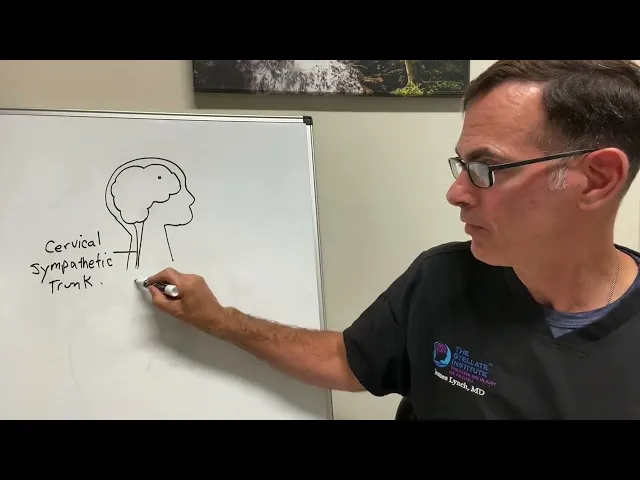
Dr. James Lynch explaining the SGB

Patient stories featured on 60 Minutes
Frequent Questions
Is the SGB a new or experimental procedure?
No. SGBs have been used in medicine for nearly a century, originally for chronic pain and other inflammatory-mediated conditions. What is newer is their use for PTSD, trauma-related symptoms, and other conditions associated with an overactive sympathetic nervous system.
Today, an SGB is performed using real-time ultrasound guidance, allowing the injection to be placed with far greater precision than what was possible historically. Its use for PTSD has gained increasing attention in recent years, especially within veteran populations, while research continues to explore other conditions where an SGB may provide relief.
What conditions are treated by SGBs?
Does an SGB hurt? How long does the procedure take?
What are the side effects of SGBs?
What is the reason for doing an SGB on both sides?
How will I feel after SGB treatments and how long does this last? What if I don't respond?
A precise, office-based procedure delivered by board-certified anesthesiologists, with growing evidence showing real promise for trauma, anxiety, and stress-related conditions.